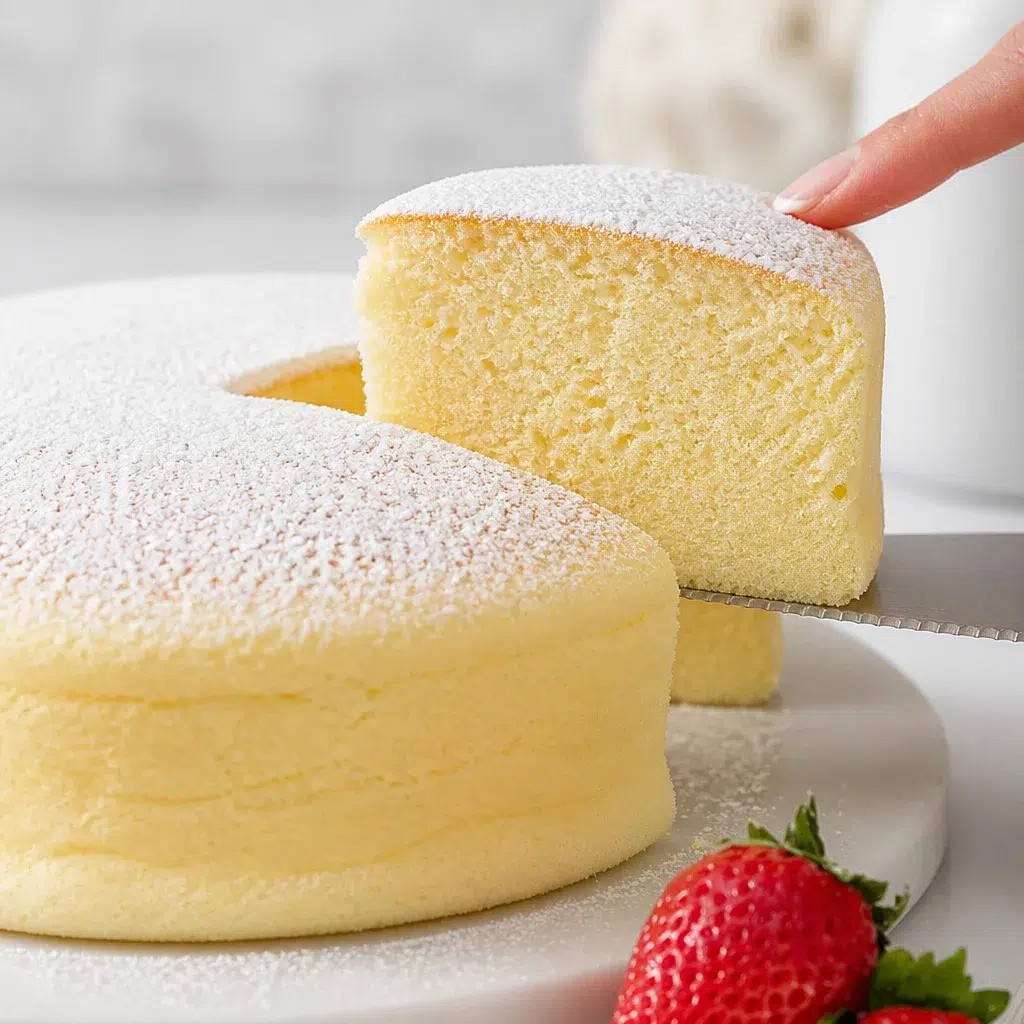
Japanese Cotton Cheesecake is the dessert I make when I want something sweet but not heavy, and also when I need a little baking win in my life. You know those days when regular cheesecake feels too rich, and you just want a slice that’s light, fluffy, and basically melts before you even finish chewing? This is that cake. It looks fancy, but it’s very doable at home if you follow a few simple rules. I’ve made this on quiet weekends, for birthdays, and once just because I had cream cheese that needed a purpose. Let’s get you that ultra jiggly, cloud-like slice.
Table of Contents
Key Ingredients for Japanese Cotton Cheesecake
This cake is all about simple ingredients acting like a team. Nothing is complicated, but each item matters. When people tell me their cake came out flat or eggy, it’s usually because one ingredient was swapped or measured a little too casually.
- Cream cheese: Full fat is best. Softened so it blends smooth.
- Milk: Whole milk gives the nicest flavor, but 2 percent works.
- Butter: Adds richness and that gentle bakery smell.
- Eggs: Separated. Yolks for richness, whites for the lift.
- Sugar: Regular granulated sugar is perfect here.
- Cake flour: Makes a softer crumb than all purpose flour.
- Cornstarch: Helps keep the cake light and stable.
- Lemon juice: Brightens the flavor and helps the meringue.
- Vanilla: Optional, but I like the cozy flavor it adds.
If you’re a cheesecake fan in general, you might also love these delicious no bake cheesecakes for when you want the flavor without turning on the oven.
Essential Equipment for Fluffy Japanese Cheesecake
I’m not big on kitchen gadgets, but Japanese Cotton Cheesecake does ask for a couple basics. Think of it as setting yourself up for an easier, less stressful bake.
What you’ll want:
A springform pan (about 8 inches is ideal), parchment paper, a large roasting pan for the water bath, a hand mixer or stand mixer, and two mixing bowls (one for yolks and one super clean one for whites). You’ll also need a fine mesh sieve if you have one, because sifting flour really helps avoid lumps in a delicate batter.
One small but important thing: make sure your bowl for egg whites is totally grease free. Even a tiny smear of fat can stop the whites from whipping up the way you need.
How to Make Japanese Cotton Cheesecake Step-by-Step
Let me walk you through it the same way I do it at home, in a calm, no panic order. I’m going to say this up front: take your time. This cake rewards patience.
Step 1: Prep the pan and oven
Line the bottom and sides of your springform pan with parchment. Wrap the outside of the pan with two layers of foil so water can’t sneak in during baking. Preheat your oven, and put a kettle or pot of water on to heat up for the water bath.
Step 2: Make the cream cheese base
In a saucepan on low heat, warm cream cheese, milk, and butter until smooth. Stir gently and don’t let it get hot or bubbly. Take it off the heat, then whisk in egg yolks, vanilla, and lemon juice.
Sift in cake flour and cornstarch, then mix until the batter looks silky. If you see lumps, keep going gently until it’s smooth.
Step 3: Whip the egg whites (the make or break moment)
Beat egg whites until foamy, then slowly add sugar in a few additions. You want glossy peaks that stand up but still look soft at the tip. If it looks dry or clumpy, it’s over whipped and the cake can crack or rise weird.
Step 4: Fold like you mean it
Add a scoop of meringue into the cream cheese batter and stir to lighten it. Then fold the rest in gently. I use a spatula and move slowly. You’re trying to keep all that air you just created.
Pour into the lined pan, then tap the pan lightly on the counter once or twice to pop huge air bubbles.
By the way, if you like cute small desserts, I’m obsessed with this best mini cheesecake recipe bite-sized dessert. Totally different texture, but such a fun option for parties.
Baking Method for a Perfect Jiggly Cheesecake
This is where Japanese Cotton Cheesecake becomes what it’s supposed to be. The water bath is not optional if you want that gentle, even bake.
Place your wrapped springform pan inside a larger roasting pan. Put it on the oven rack, then carefully pour hot water into the roasting pan until it comes about halfway up the sides of the springform.
Bake at 320°F (160°C) for 65–75 minutes, or until the top is set and the center has a gentle jiggle like soft gelatin. If the center still sloshes like liquid, continue baking in 5-minute increments.
Bake low and slow. If your oven runs hot, the top can brown too fast and the cake can crack. I also avoid opening the oven a lot because sudden temperature changes can make it sink.
When it’s done, turn off the oven and crack the door open about 2 inches. Let the cheesecake cool inside the oven for 20–30 minutes before removing it. This gradual cooling helps prevent the cake from collapsing. Cool completely at room temperature, then refrigerate for at least 4 hours before slicing for the best texture.
Expert Tips for Ultra-Fluffy Japanese Cheesecake
These are the little things I’ve learned after a few bakes, including one time when I got impatient and ended up with a sad pancake cake. Learn from me.
My go to tips:
Use room temp eggs for a steadier meringue. Don’t rush the cream cheese melting step, because overheated batter can scramble yolks. Fold gently and stop as soon as you don’t see streaks. Bake with a water bath and keep the oven temperature steady. And cool slowly, because this cake hates shock.
If you want something Japanese on the savory side, I make this best tamago sando recipe japanese egg sandwich for lunch and then I feel fully committed to a cozy Japanese cafe day at home.
Japanese Souffle Cheesecake Texture Science Explained.
Okay, I’ll keep this simple and not super nerdy, but it helps to understand what’s happening. Japanese Cotton Cheesecake is basically a hybrid of cheesecake and soufflé. The lift comes from whipped egg whites, not from baking powder. Those tiny air bubbles expand in the oven and give the cake its height.
The water bath creates gentle steam heat, so the cake bakes evenly without the outside setting too fast. That’s why the texture comes out plush and springy instead of dense. The starches in flour and cornstarch help hold everything together so it slices without turning into foam.
Japanese Cotton Cheesecake Variations
Once you nail the classic, it’s fun to play a little. Just don’t change too many things at once, because this recipe is sensitive.
You can add a bit of matcha powder (sifted) for a soft green tea flavor. You can swap lemon juice for yuzu juice if you have it. For a gentle swirl moment, I love the idea of a fruit ripple, and this creamy strawberry swirl cheesecake is a great inspiration for flavor vibes, even though the method is different.
Serving Suggestions for Japanese Cheesecake
This cake is honestly great plain. But if you want to serve it like a cafe dessert, here are my favorite ways.
- Dust the top with powdered sugar right before serving.
- Add fresh berries and a little whipped cream.
- Serve with a spoon of lightly sweetened yogurt.
- Pair it with hot green tea or a simple latte.
I like it slightly chilled, but not ice cold. When it warms up just a bit, the flavor gets more creamy and the texture feels extra soft.
Storage and Make-Ahead Instructions
Japanese Cotton Cheesecake keeps well, but it’s at its fluffiest the first day. If you want to make it ahead, bake it the day before and let it cool completely, then cover and refrigerate.
Store slices in an airtight container in the fridge for up to 3 days. To serve, let it sit at room temp for 15 to 20 minutes so it’s not too firm. Freezing works, but it changes the texture a little, making it more spongey than cloud-like. If you do freeze, wrap slices tightly and thaw in the fridge overnight.
Troubleshooting Common Japanese Cheesecake Problems
If your first bake isn’t perfect, don’t take it personally. This cake is a little dramatic. Here’s what usually went wrong and how to fix it next time.
Cracked top: Oven too hot, meringue too stiff, or no water bath. Lower temp and keep peaks glossy and soft.
Sinks a lot: Underbaked center or cooled too fast. Bake until set with a jiggle, then cool gradually in the oven.
Dense texture: Overmixed batter or deflated meringue. Fold gently and stop early.
Wet bottom: Water leaked into the pan. Use extra foil layers and make sure the wrap goes high up the sides.
Japanese Cotton Cheesecake vs Regular Cheesecake
Regular cheesecake is rich, heavy, and creamy because it’s mostly cream cheese and often sour cream. It’s baked without a meringue, so it sets thick and dense.
Japanese Cotton Cheesecake is lighter because the whipped egg whites lift it like a soufflé, and it uses a water bath to bake gently. The end result tastes like cheesecake but feels like a soft sponge that almost bounces back when you press it.
Best Tips for Beginner-Friendly Japanese Cheesecake Success
If this is your first time, here’s the simple game plan. Read the recipe fully before starting. Measure everything first. Keep your tools clean, especially the bowl for egg whites. Aim for soft glossy peaks, not stiff dry ones. And don’t rush the cooling, because that’s when a lot of cakes lose height.
Also, don’t stress about a perfectly flat top. A tiny bit of texture is normal. Once you dust it with powdered sugar, it looks adorable anyway.
Common Questions
Can I use all purpose flour instead of cake flour?
Yes, but the crumb may be a bit less delicate. If you can, use cake flour for the softest texture.
How do I know when it’s done?
The cake should be set on top and jiggle gently in the center. If it sloshes like liquid, it needs more time.
Why did my cake taste eggy?
Usually the meringue was under whipped or the batter wasn’t blended smoothly. Vanilla and lemon also help balance the flavor.
Do I have to use a water bath?
For the classic fluffy result, yes. It’s the easiest way to avoid cracks and keep the texture tender.
Can I make it in a smaller pan?
You can, but the bake time changes. A smaller, taller cake often needs longer at a slightly lower temperature.
Final Thoughts on Authentic Japanese Cotton Cheesecake Recipe
If you’ve been craving that bakery style jiggle at home, Japanese Cotton Cheesecake is totally worth the effort. Focus on the meringue, be gentle when folding, and commit to the water bath and slow cooling. After you make it once, the second time feels so much easier, and you’ll start noticing how the batter should look at each step. If you want to compare techniques and see other trusted approaches, I’ve found both Japanese Cheesecake (Cotton Cheesecake) – RecipeTin Japan and Cotton Cheesecake / Japanese Cheesecake – RunAwayRice really helpful for extra confidence. Now go bake it, let it cool patiently, and enjoy that first fluffy bite you’ll probably want to brag about.
Print
Japanese Cotton Cheesecake
- Total Time: 6 hours
- Yield: 8 servings
Description
A light and fluffy cheesecake that melts in your mouth, perfect for any occasion.
Ingredients
For the Cheesecake Base
- 8 oz Cream cheese, softened (Full fat is best.)
- 1/2 cup Milk (Whole milk for best flavor.)
- 1/4 cup Butter (Adds richness.)
- 3 Eggs, separated (Yolks for richness, whites for lift.)
- 3/4 cup Granulated sugar (Regular granulated sugar.)
- 1 cup Cake flour (Makes a softer crumb.)
- 2 tbsp Cornstarch (Helps keep the cake light.)
- 2 tbsp Lemon juice (Brightens flavor and helps meringue.)
- 1 tsp Vanilla extract (Optional, adds cozy flavor.)
Instructions
Preparation
- Preheat your oven to 320°F (160°C). and prepare a large kettle of water for the water bath.
- Line the bottom and sides of a springform pan with parchment paper and wrap the outside of the pan with foil.
Making the Cream Cheese Base
- In a saucepan over low heat, warm the cream cheese, milk, and butter until smooth.
- Remove from heat and whisk in egg yolks, vanilla, and lemon juice.
- Sift in the cake flour and cornstarch, and mix until silky.
Whipping the Egg Whites
- Beat the egg whites until foamy, then slowly add sugar until glossy peaks form.
- Be careful not to over-whip the mixture.
Folding the Mixtures
- Add a scoop of meringue into the cream cheese batter and stir to lighten it.
- Fold in the remaining meringue gently to preserve air.
- Pour the batter into the prepared pan and tap lightly to remove air bubbles.
Baking
- Place the springform pan into a larger roasting pan and pour hot water until halfway up the sides.
- Bake until set but still jiggly in the center.
- Cool gradually in the oven for about 10-15 minutes before removing.
Notes
Use room temperature eggs for a more stable meringue. Don’t rush the melting of the cream cheese, and cool the cake slowly to prevent collapse.
- Prep Time: 30 minutes
- Rest time: 4 hours 30 minutes
- Cook Time: 1 hour
- Category: Dessert
- Cuisine: Japanese


Did I miss you saying oven temp and how long to bake?
Hi Ann! Thank you so much for pointing that out. You didn’t miss it—it looks like the oven temperature and baking time were accidentally left out of the recipe. I’ve updated it with the baking instructions: Bake at 320°F (160°C) in a water bath for 65–75 minutes, then let it cool in the turned-off oven with the door slightly open for 20–30 minutes before removing it. I really appreciate you taking the time to let me know, and I hope you enjoy the cheesecake!