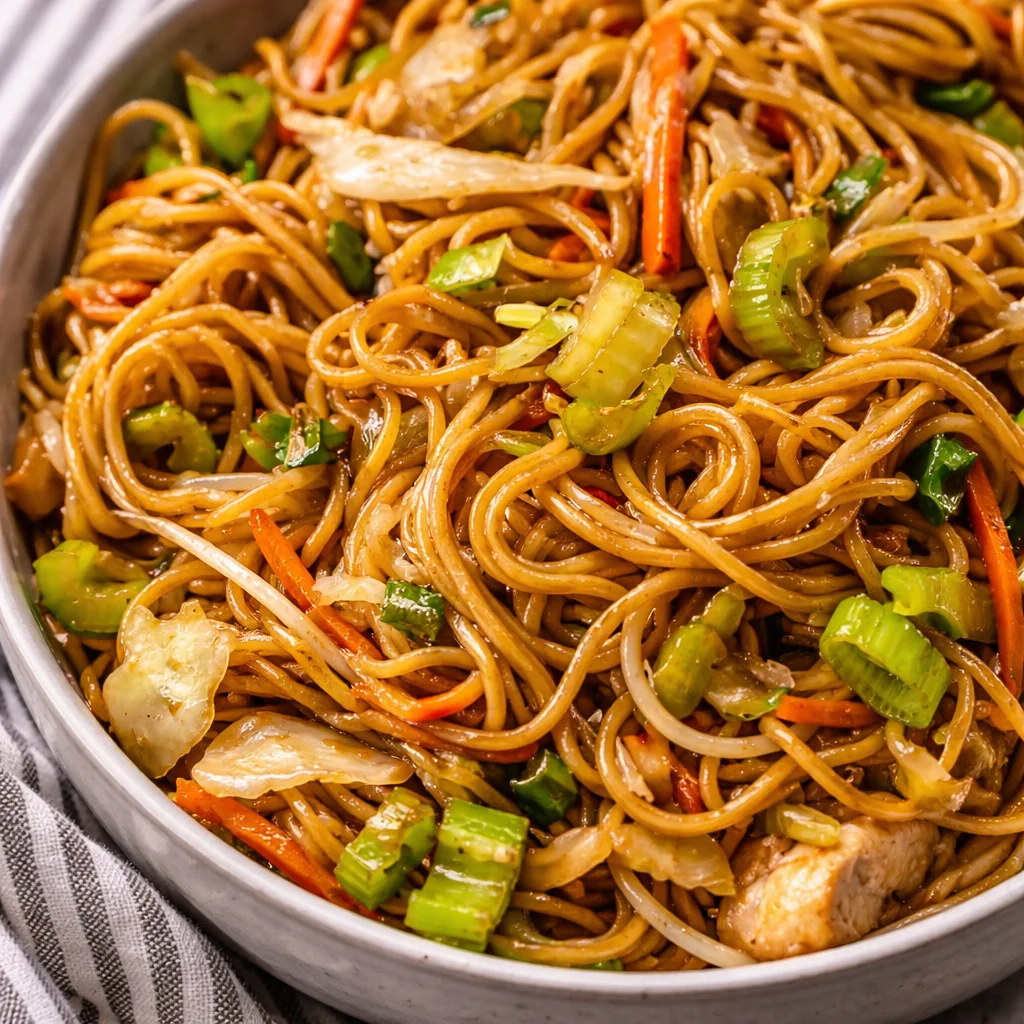
Chow Mein Recipe nights usually happen at my place when I am tired, hungry, and this close to ordering takeout. You know the feeling, you want something fast, but you also want it to taste like it came from your favorite Chinese spot. This is the noodle dish I make when I need a win, because it is quick, flexible, and honestly kind of fun. The best part is that you can use whatever protein and veggies you have hanging around. Stick with me and I will show you exactly how I get those savory noodles with crisp edges and that bold sauce that clings to everything.
Essential Ingredients for Authentic Chinese Chow Mein Sauce
The sauce is what makes or breaks homemade chow mein. Once you nail this, you can toss it with noodles, chicken, shrimp, veggies, anything. I keep it simple, but balanced, so it tastes savory, slightly sweet, and a little toasty.
Here is what I reach for most of the time:
- Soy sauce: This is the salty base. Use regular, not dark, unless you want deeper color.
- Oyster sauce: Adds that restaurant flavor fast. If you do not have it, hoisin works in a pinch, but it is sweeter.
- Sesame oil: A small splash at the end gives a nutty finish.
- Sugar or honey: Just a little to balance the salt.
- Garlic and ginger: Fresh if you can. Powder works, but fresh is better.
- Cornstarch: Optional, but it helps the sauce lightly coat the noodles instead of pooling.
If you like sauces that lean sweet and garlicky, you would probably also love this honey garlic shrimp recipe on busy weeknights. It has that same bold, sticky comfort vibe.
Choosing the Best Noodles: Hong Kong Style vs. Lo Mein vs. Yakisoba
Noodles are personal. Some people want soft and saucy, others want crispy edges. Here is the quick, real life breakdown when you are standing in the grocery aisle trying to decide.
Hong Kong style chow mein noodles are the thin ones that crisp up really well. If you want that classic crispy pan fried base, these are the move.
Lo mein noodles are thicker and chewier. They are great for saucier noodles, but they do not crisp the same way.
Yakisoba noodles are Japanese style, usually sold steamed. They are super convenient and still taste great in a chow mein situation, especially for quick dinners.
For my typical Chow Mein Recipe, I usually pick Hong Kong style if I can find them. If not, I grab lo mein noodles and just accept that it will be more glossy and chewy than crispy. Still delicious.
How to Prepare Dried or Fresh Egg Noodles for the Perfect Texture
This part matters more than most people think. Overcooked noodles go mushy fast once the sauce hits them, and then you are stuck trying to save it with high heat, which can turn into a sticky mess.
For dried egg noodles, cook them just until they are barely tender. I am talking one minute before the package says they are done. Then rinse quickly with cool water to stop the cooking, drain well, and toss with a tiny bit of oil so they do not clump.
For fresh egg noodles, many brands just need a quick dip in boiling water, like 30 to 60 seconds, then drain well. Some come already soft and only need loosening. Read the package, but always aim for slightly underdone.
One thing I do every time is spread the drained noodles out for a few minutes. It feels extra, but it helps steam escape so they fry instead of steam later.
The Secret to Restaurant-Quality “Velveting” Chicken for Stir-Fry
Ok, this is the little trick that makes chicken tender instead of dry and tough. Velveting is basically a quick coating and rest that protects the meat during high heat cooking.
I slice chicken breast or thighs thin, then mix with:
cornstarch, a pinch of salt, a splash of soy sauce, and a little oil. Sometimes I add egg white if I feel like it, but you do not have to. Let it sit for 15 to 20 minutes while you chop veggies and mix sauce.
When it hits the hot pan, it cooks fast and stays soft. If you have ever wondered why takeout chicken feels more tender, this is a big reason.
High-Heat Wok Techniques: Achieving Authentic “Wok Hei” Flavor
Let us be real, most of us are not cooking on a jet engine stove at home. But you can still get a good smoky, toasty flavor if you keep a few things in mind.
First, use your biggest pan or a wok if you have one. Preheat it until it is actually hot, then add oil. Second, do not overcrowd. Cook protein first, remove it, then cook veggies, then noodles. If you pile everything in at once, it steams and turns soft.
Also, let the noodles sit untouched for a moment so they can brown. Stirring nonstop is the enemy of crisp edges.
Step-by-Step Instructions: How to Make Crispy Pan-Fried Chow Mein
This is the part people want, the exact method. This is the core of my go-to Chow Mein Recipe, and once you do it once, you will get the rhythm.
1) Mix your sauce
In a bowl, whisk soy sauce, oyster sauce, a little sugar, sesame oil, minced garlic, minced ginger, and a teaspoon of cornstarch with a splash of water.
2) Prep everything before you start
Slice chicken, velvet it, chop veggies, and have noodles drained and ready. Stir fry goes fast.
3) Cook the chicken
Heat oil in a hot wok or large skillet. Cook chicken in a single layer until just done, then remove.
4) Cook the veggies
Add a touch more oil. Stir fry cabbage and carrots for a minute or two, then add bean sprouts at the end so they stay crisp.
5) Crisp the noodles
Add noodles to the pan with a little oil. Press them down lightly and let them sit for 60 to 90 seconds without messing with them. Flip and repeat. You are going for golden spots.
6) Bring it together
Add chicken back in, pour in sauce, and toss quickly until everything is coated and glossy. Taste and adjust. More soy for salt, a tiny bit more sugar if it feels sharp.
If you are into cozy bowls that feel like a hug in dinner form, you should check out this cozy potsticker soup recipe too. It is another easy way to get that takeout comfort at home.
Best Vegetables for Chow Mein: Cabbage, Bok Choy, and Bean Sprouts
I love chow mein because it is basically a clean out the fridge situation, but a few veggies really shine here.
Cabbage is my number one. It softens a little, stays slightly crisp, and it soaks up sauce without getting sad.
Bok choy is great if you want something lighter. I chop the stems and leaves separately, stems go in first, leaves go in last.
Bean sprouts give that fresh crunch that makes it feel like real chow mein. Add them at the end so they do not wilt into nothing.
Other easy wins: sliced carrots, snow peas, bell peppers, mushrooms, and green onions.
Healthy Variations: Vegetarian, Tofu, and Gluten-Free Chow Mein
You can totally make this lighter or fit different diets without losing the vibe.
Vegetarian chow mein: Skip the meat and use mushrooms plus extra cabbage and bok choy. Add a little extra sesame oil at the end for richness.
Tofu chow mein: Use extra firm tofu, press it, cube it, then crisp it in oil before you start the veggies. Toss it back in at the end like you would chicken.
Gluten-free chow mein: Use rice noodles or gluten-free egg noodles if you can find them. Swap soy sauce for tamari, and make sure your oyster sauce is gluten-free or use a gluten-free stir fry sauce.
Protein Substitutions: Shrimp, Beef, and Pork Chow Mein Variations
This is where you can make the same recipe feel totally different week to week.
Shrimp cooks super fast, so I add it after the veggies, right before the noodles get tossed with sauce. When it turns pink, you are done.
Beef should be sliced super thin. I like flank steak. A quick marinade with soy sauce and cornstarch helps keep it tender.
Pork works great too, especially thin sliced pork shoulder or pork loin. It is a little richer and feels extra satisfying.
Expert Tips for Preventing Soggy Noodles and Preventing Wok Sticking
If you have ever ended up with floppy noodles, you are not alone. I have done it, and it is usually one of these issues.
Keep noodles slightly undercooked so they finish in the pan.
Drain really well. Wet noodles steam.
Use enough oil to coat the pan lightly, especially when crisping noodles.
Do not crowd the pan. Work in batches if needed.
Let the pan preheat before adding oil and food. A lukewarm pan is where sticking starts.
Also, add sauce around the edges of the pan, not all in the center. It heats fast and coats better that way.
Serving Suggestions: What to Pair with Your Chinese Noodle Dish
This Chow Mein Recipe is a full meal on its own, but I love pairing it when I am feeding family or friends and want the table to look like a fun little feast.
- Simple cucumber salad with rice vinegar and a pinch of sugar
- Steamed dumplings or potstickers
- Egg drop soup for something light
- Quick stir fried green beans if you want extra crunch
- Orange slices or pineapple for a fresh finish
Storage and Reheating Guide: Keeping Leftover Chow Mein Crispy
Leftovers happen, and I am not mad about it. Chow mein reheats well if you do it the right way.
Store it in an airtight container in the fridge for up to 3 days. If you can, store noodles and sauce heavy veggies separately, but I know most of us just pack it all together and call it a day.
To reheat, skip the microwave if you want crisp edges. Use a hot skillet with a small splash of oil, spread the noodles out, and let them sit for a minute before tossing. If it seems dry, add a tiny splash of water and cover for 20 seconds, then uncover and crisp again.
Common Questions
Can I make chow mein ahead of time?
You can prep everything ahead, like sauce mixed, veggies chopped, and protein sliced. I would cook it fresh when you are ready to eat because noodles are at their best right out of the pan.
Why are my noodles sticking to the pan?
Usually the pan is not hot enough, or the noodles are still wet. Preheat longer, drain better, and add a little oil before the noodles go in.
What is the difference between chow mein and lo mein?
Chow mein is often cooked to get some crispness, while lo mein is usually softer and more saucy. The noodles can be different too, depending on what you buy.
Can I use spaghetti if I cannot find egg noodles?
Yes, in a pinch. Cook it a bit under, rinse, drain well, and try to crisp it in the pan. The flavor will still be good because the sauce does the heavy lifting.
How do I make it spicier?
Add chili garlic sauce, crushed red pepper, or a little sriracha to the sauce. You can also top each bowl with chili oil so everyone can choose their own heat level.
A Little Noodle Pep Talk Before You Cook
If you remember just a few things, you will be in great shape: hot pan, well drained noodles, and sauce mixed before you start. This Chow Mein Recipe is one of those meals that gets easier every time you make it, and it is super forgiving once you find your favorite noodle and veggie combo. If you want another solid reference point, I have pointed friends to Easy Chow Mein Recipe – Tastes Better From Scratch because it is helpful to compare styles and pick what fits your kitchen. Now grab that wok or biggest skillet you own and go make yourself a pan of noodles that tastes way better than it has any right to on a regular weeknight.
Print
Chow Mein
- Total Time: 35 minutes
- Yield: 4 servings
Description
A quick and flexible chow mein recipe that delivers savory noodles with crisp edges and a bold sauce, perfect for weeknight dinners.
Ingredients
For the Sauce
- 3 tablespoons soy sauce (Use regular soy sauce, not dark.)
- 2 tablespoons oyster sauce (Hoisin sauce can be used as a substitute.)
- 1 teaspoon sesame oil (Adds a nutty finish.)
- 1 teaspoon sugar or honey (Balances the saltiness.)
- 2 cloves garlic, minced (Fresh is preferred.)
- 1 teaspoon ginger, minced (Fresh is preferred.)
- 1 teaspoon cornstarch (Optional, helps sauce coat noodles.)
Main Ingredients
- 8 oz Hong Kong style chow mein noodles (Can substitute with lo mein or yakisoba noodles.)
- 1 lb chicken (breast or thighs), sliced (Prepared with a velveting technique.)
- 2 cups vegetables (cabbage, carrots, bean sprouts) (Variations can include bok choy, snow peas, bell peppers.)
Instructions
Preparation
- In a bowl, whisk together soy sauce, oyster sauce, sugar, sesame oil, minced garlic, minced ginger, cornstarch, and a splash of water.
- Slice the chicken and velvet it by mixing with cornstarch, salt, soy sauce, and oil. Let it marinate for 15-20 minutes.
- Chop vegetables and have noodles drained and ready.
Cooking
- Heat oil in a large wok or skillet over high heat. Cook chicken in a single layer until just cooked, then remove.
- Add more oil, stir-fry the cabbage and carrots for 1-2 minutes, then add bean sprouts last.
- Add the noodles to the pan with a little oil, pressing them down lightly. Let them sit for 60-90 seconds without stirring to allow them to crisp.
- Flip the noodles, letting them sit for another 60-90 seconds to get golden spots.
- Add the chicken back to the pan, pour in the sauce, and toss quickly until everything is well coated and glossy.
Notes
Store in an airtight container in the fridge for up to 3 days. Reheat in a hot skillet with a splash of oil for crisp edges.
- Prep Time: 20 minutes
- Cook Time: 15 minutes
- Category: Dinner, Main Course
- Cuisine: Chinese


