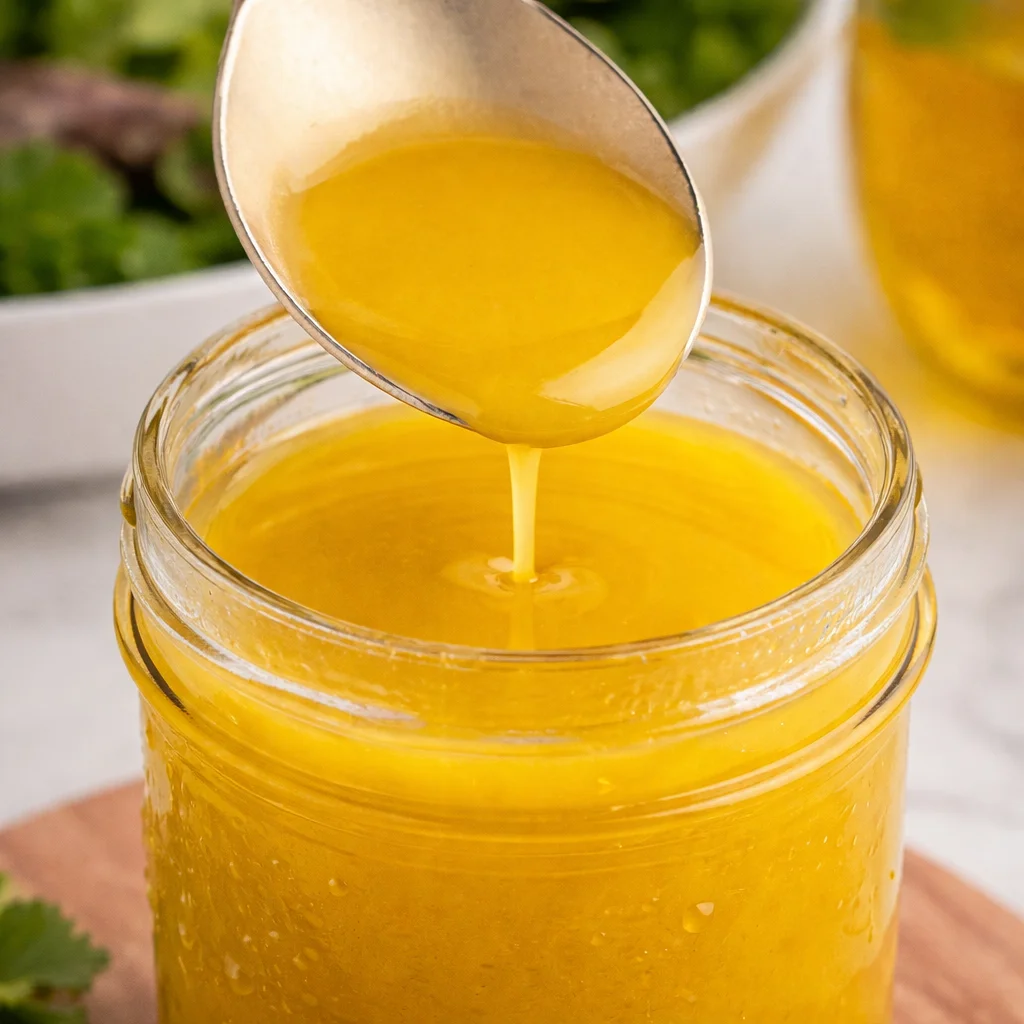
Easy Salad Vinaigrette has saved me on those nights when I open the fridge, see a bag of greens, and feel totally uninspired. You know the feeling, you want something fresh, but you do not want a complicated recipe or a sink full of dishes. This is the dressing I make when I need flavor fast, and I want it to taste like I actually tried. It is bright, a little tangy, and it makes even basic lettuce feel kind of special. If you have oil, vinegar, and one or two pantry extras, you are basically there.
Table of Contents
2. Must-Have Ingredients: Olive Oil, Vinegar, Mustard, and Sweeteners
The best part about a vinaigrette is that it is more of a formula than a strict recipe. Once you get the basics down, you can make it from memory while half listening to a podcast. These are the ingredients I keep coming back to because they work every single time.
- Olive oil: This is the base. Use extra virgin if you can for better flavor.
- Vinegar: Red wine vinegar is my usual, but apple cider vinegar is great too.
- Mustard: Dijon is my favorite because it adds flavor and helps the dressing mix.
- Sweetener: Honey or maple syrup, just a little, to calm the tang.
- Salt and pepper: Do not skip this. It wakes everything up.
- Optional but lovely: minced garlic, dried oregano, or a squeeze of lemon.
If you want a salad that really loves this kind of dressing, try it over something crisp and simple like this easy cucumber mozzarella salad. It is such a clean combo, and the vinaigrette clings to the cucumbers in the best way.
3. How to Whisk or Shake: Step-by-Step Vinaigrette Preparation
My go-to base ratio
I know some people get very serious about ratios, but here is the simple version that works for me: three parts oil to one part vinegar, plus extras. If you like it sharper, go closer to two to one.
Here is exactly how I make my Easy Salad Vinaigrette:
Step 1: Add vinegar to a small bowl or jar. Start with 1 tablespoon.
Step 2: Add 3 tablespoons olive oil.
Step 3: Add 1 teaspoon Dijon mustard.
Step 4: Add 1 teaspoon honey or maple syrup.
Step 5: Add a pinch of salt and a few cracks of pepper.
Step 6: Whisk hard for 20 to 30 seconds, or shake in a jar until it looks blended.
I usually taste it right away with a lettuce leaf. If it makes you go, oh yeah, you nailed it. If it makes you squint, it probably needs either a touch more sweetener or another pinch of salt.
4. Achieving the Perfect Balance: Tangy, Sweet, and Savory Flavors
This is the part that makes homemade dressing feel so much better than a random bottled one. You get to adjust it to exactly what you want. I think of it like turning three little knobs: tangy, sweet, and savory.
If it is too tangy, add more olive oil or a tiny bit more honey. Even half a teaspoon can change everything.
If it is too oily or flat, add a few drops of vinegar or lemon juice and another pinch of salt.
If it tastes boring, mustard helps, but so does garlic, herbs, or even a little grated parmesan if you are feeling it.
This balancing act matters even more when you are dressing bean or grain salads, because those ingredients soak up flavor. A great example is a hearty, make-ahead option like this easy Greek bean salad with marinated beans. Bold vinaigrette makes it taste better the next day, which is honestly my favorite kind of meal.
5. Quick 2–5 Minute Vinaigrette: No Blender Needed
I have nothing against blenders, but I do not want to wash one for salad dressing. This is why I love a quick vinaigrette. You can make it in the time it takes to toast bread or slice an avocado.
My fastest method is the jar shake. I toss everything into a small jar, tighten the lid, and shake like I mean it for about 15 seconds. Done. If you are making just one salad, whisking in a mug works too, and yes, I have done that more times than I can count.
If your kitchen is like mine and you are trying to get dinner on the table without drama, having an Easy Salad Vinaigrette ready in minutes is a real win.
6. Popular Flavor Variations: Honey, Dijon, Red Wine, and Apple Cider
Once you have the base, you can pivot so easily. These are the variations I use the most, depending on what is in my salad bowl.
Honey Dijon: Add a little extra Dijon and honey. Great on spinach, chicken salads, and anything with fruit.
Red wine and oregano: Red wine vinegar, dried oregano, and a tiny pinch of garlic powder. This one screams lunch cafe salad.
Apple cider and maple: Apple cider vinegar with maple syrup. Perfect for fall salads with apples or roasted squash.
Lemon herb: Swap vinegar for lemon juice, add parsley or basil. Fresh and bright.
I love the apple cider version on a crunchy, filling mix like this easy marinated chickpea cucumber salad recipe. Chickpeas and cucumbers can handle a punchy dressing, and it stays tasty even after sitting in the fridge.
7. Mix-in-Jar Method: Shake-and-Go Vinaigrette for Meal Prep
If you meal prep at all, this is your section. Making vinaigrette in a jar is not just convenient, it is also easier to store and re-shake later.
Here is how I do it for the week:
Use a jar that holds at least 1 cup, so you have room to shake without leaks.
Add in this order: vinegar first, then mustard and sweetener, then salt and pepper, then oil last.
Shake again before using. It is normal for oil and vinegar to separate as it sits.
One more thing, if you add fresh garlic, the flavor gets stronger over time. I like that, but if you do not, use garlic powder instead.
8. Pairing Vinaigrette with Salads: Leafy Greens, Grain Bowls, and Proteins
Vinaigrette is not just for a bowl of lettuce. I use it on all sorts of meals, especially when I am trying to make leftovers feel new again.
Leafy greens: Romaine, arugula, spinach, spring mix. Start with a small amount, toss, then add more if needed.
Grain bowls: Quinoa, farro, rice. Grains love vinaigrette because it soaks in and flavors everything.
Proteins: Chicken, shrimp, tofu, even steak strips. A drizzle on top makes it feel like a real meal.
If you are into protein salads, this vinaigrette is so good with creamy ingredients like avocado. I would absolutely pour it over this easy shrimp avocado salad when I want something fresh but still filling.
9. Beyond Salads: Using Vinaigrette as Marinade, Dip, or Glaze
This is my little secret weapon move. When I have extra Easy Salad Vinaigrette, I do not toss it. I repurpose it.
As a marinade: Toss chicken thighs or sliced tofu in a few tablespoons. Let it sit 20 to 30 minutes, then cook.
As a veggie booster: Drizzle on tomatoes, cucumbers, or roasted veggies right after they come out of the oven.
As a quick dip: Thicken it with a spoon of Greek yogurt, then dip carrots or pita.
As a glaze: Simmer a little in a pan for a minute to reduce slightly, then brush on cooked chicken or shrimp.
It is one of those small habits that makes cooking feel easier because you are not starting from zero every time.
10. Healthy & Low-Calorie Options for Everyday Cooking
Vinaigrette can be very light, and you can control everything. If you want a lower-calorie version, here are a few simple swaps that still taste good.
Use less oil: Try 2 tablespoons oil to 1 tablespoon vinegar. It will be sharper, so add a little extra sweetener and mustard.
Add water: One tablespoon of water can help stretch the dressing and lighten it.
Try citrus: Lemon or lime juice feels bright without needing more oil.
Skip heavy add-ins: No creamy stuff needed if your goal is light.
I am not about making food miserable in the name of health. I just aim for balance, and vinaigrette makes that easy because you can adjust it until it makes you happy.
11. Storage and Shelf Life: How to Keep Dressing Fresh and Flavorful
Homemade dressing keeps surprisingly well, but it depends on what you put in it.
Basic vinaigrette (oil, vinegar, mustard, sweetener, salt, pepper) lasts about 1 to 2 weeks in the fridge.
If it has fresh garlic or fresh herbs, I try to use it within 4 to 5 days for the freshest taste.
Store it in a sealed jar. When it gets cold, the olive oil may look cloudy or slightly thick. That is normal. Let it sit on the counter for 5 to 10 minutes, then shake again.
12. Expert Tips: Emulsifying, Flavor Melding, and Adjusting Acidity
Small tricks that make a big difference
I am not a professional chef, but I have made this enough times to know what actually helps.
Whisk the vinegar with mustard first before adding oil. Even if you are shaking in a jar, stirring those together first helps it blend better.
Give it 5 minutes if you have time. The flavors settle and mellow, especially with garlic and mustard.
Salt matters. If the dressing tastes sour or harsh, it might not need sugar. It might just need salt.
Adjust acidity based on your salad. Delicate greens want a gentler dressing. Beans and grains can handle more vinegar.
13. Seasonal & Trendy Twists: Roasted Veggies, Air Fryer Chicken, and More
Make it match what you are craving
Once you get comfortable with vinaigrette, it is fun to match it to the season or whatever trend you are currently into. I go through phases.
Roasted veggie bowl: Toss roasted broccoli, carrots, or sweet potatoes with vinaigrette and feta. Warm veggies plus tangy dressing is a real comfort food situation.
Air fryer chicken salad: Slice up air fryer chicken and drizzle vinaigrette over a crunchy salad. Add croutons or toasted nuts if you want it to feel extra.
Sandwich inspired salad: Chop up lettuce, tomatoes, onions, and deli style toppings, then use vinaigrette for that zippy bite. If you love that vibe, you might also like this Italian grinder salad sandwich for a fun lunch switch-up.
And if you are reading this thinking, okay but I need an actual salad idea right now, try it on anything from cucumbers to beans to shrimp. That is the beauty of this dressing.
Common Questions
Why does my vinaigrette separate so fast?
Totally normal. Oil and vinegar separate as they sit. Just shake again, or add a little more Dijon to help it stay mixed longer.
Can I make vinaigrette without mustard?
Yes. Mustard helps it blend and adds flavor, but you can skip it. If you do, whisk a bit longer and taste for seasoning.
How much dressing should I use for one salad?
Start with 1 to 2 tablespoons for a big bowl of greens. Toss, taste, then add more if needed. You can always add, but you cannot take it back.
Is olive oil the only oil that works?
Nope. Avocado oil is super neutral. I also like using a mix of olive oil and a lighter oil if I want a softer taste.
Can I use this on pasta salad?
Yes, and it is so good. Pasta soaks it up, so make a little extra and toss again after it sits for 10 minutes.
A little pep talk to go make it
If you take one thing from this post, let it be this: Easy Salad Vinaigrette is one of those simple kitchen habits that makes eating at home feel easier and better. Keep the base formula in your head, then tweak it based on what you are cooking and what you like. If you want more guidance and extra variations, I like this resource on Basic Vinaigrette Recipe (Plus 3 Essential Variations!), and this one is also super practical: Homemade Vinaigrette Salad Dressing Recipe – Kitchen Treaty. Go grab a jar, shake it up, and make your next salad actually exciting. You have got this.
Print
Easy Salad Vinaigrette
- Total Time: 5 minutes
- Yield: 4 servings
Description
A quick and easy salad vinaigrette that adds bright, tangy flavor to any salad with minimal effort.
Ingredients
Base Ingredients
- 3 tablespoons Olive oil (Extra virgin is preferable for better flavor.)
- 1 tablespoon Vinegar (Red wine vinegar or apple cider vinegar can be used.)
- 1 teaspoon Dijon mustard (Helps to emulsify the dressing.)
- 1 teaspoon Honey or maple syrup (To balance the tanginess.)
- pinch Salt (Do not skip, it enhances the flavor.)
- to taste Pepper (Freshly cracked pepper is recommended.)
Optional Ingredients
- 1 clove Minced garlic (Adds extra flavor.)
- 1 teaspoon Dried oregano (Enhances the dressing’s robustness.)
- 1 squeeze Lemon (Adds brightness.)
Instructions
Preparation
- Add vinegar to a small bowl or jar, starting with 1 tablespoon.
- Add 3 tablespoons of olive oil.
- Mix in 1 teaspoon of Dijon mustard.
- Incorporate 1 teaspoon of honey or maple syrup.
- Add a pinch of salt and a few cracks of pepper.
- Whisk hard for 20 to 30 seconds, or shake in a jar until blended.
Notes
Adjust the flavors by adding more sweetener, salt, or vinegar based on personal preference. Store in a sealed jar in the fridge for about 1 to 2 weeks.
- Prep Time: 5 minutes
- Category: Condiment, Salad Dressing
- Cuisine: American, Mediterranean


